Not Allowed to Wash Your Hair During Pregnancy Embroidery Review
First Glance: A Phrase That Grabs Attention Instantly
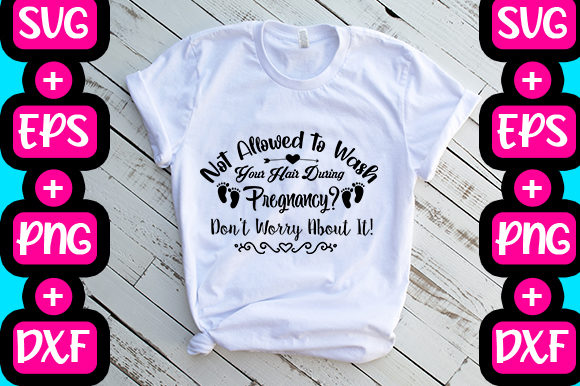
Some embroidery designs walk a quiet line. This one does not. Not Allowed to Wash Your Hair During Pregnancy lands with a wink and a nod, perfectly capturing that old wives’ tale with a mischievous modern spin. The typography has a friendly, slightly hand-drawn warmth, and the addition of Don’t Worry About It softens the directive into a shared giggle. As a designer who stitches for real-world projects, I immediately pictured it on a soft maternity crewneck or a sassy nursery pillow.
The composition leans on the text itself, likely with a compact horizontal or stacked arrangement that reads well at a glance. There’s enough breathing room around the lettering to let each word hold its own, and the message doesn’t fight any unnecessary visual clutter. For anyone hunting a humorous baby-related graphic, the mood is relatable, a little cheeky, and undeniably shareable.
Deciding Where to Stitch It: A Real Project Walk‑Through
Last month, a client messaged me about a baby shower gift. She wanted something unforgettable — not just another pastel onesie. After tossing a few ideas back and forth, she landed on Not Allowed to Wash Your Hair During Pregnancy on a heavyweight canvas tote bag, the kind a new mom might actually use for pump parts, snacks, or a change of clothes. That’s when the design clicked into focus for me.
The message works brilliantly for anything that brings humor into the pregnancy conversation. I’ve also mocked it up on a slouchy sweatshirt, a kitchen towel (think of a postpartum care kit), and even a thin‑line cap. In every case, the design’s personality shone, turning a functional product into a conversation starter. The key is matching the fabric texture to the intended vibe — soft fleece for a cozy vibe, sturdy canvas for everyday durability, fine cotton for a clean thread-on-fabric contrast.
How the Graphic Translates into Stitches
This is a graphics file — you’ll receive SVG, DXF, EPS, and PNG — not a pre‑digitized embroidery file. That means any stitched version requires careful digitizing. The letterforms, especially the thinner strokes on “wash” and “hair,” need attention. When I digitized my own version for that tote bag, I bumped the satin stitch width just slightly on the lowercase loops, and I used a medium‑density fill behind the bolder words to keep the surface smooth without pulling the fabric.
On a flat knit like a sweatshirt, a running stitch underlay kept the text crisp. The design’s compact proportions meant I could fit it into a 4x4 hoop without losing readability, but I won’t pretend it’s effortless. The word “Allowed” has several narrow valleys that can close up if your thread tension isn’t dialed in. A quick test on a scrap of the actual project fabric saved me from a frustrating re‑hoop.
Product Types Where This Design Feels Right at Home
Because the humor is so direct, it thrives on products where the wearer or user wants to make a statement. I’ve listed a few of my favorite fits below:
- Maternity sweatshirts and tees — soft rayon or cotton blends that drape without distorting the text.
- Canvas tote bags — the flat weave handles satin stitches beautifully, and the design becomes a portable badge of honor.
- Linen aprons — unexpected and playful, especially for a baby shower host.
- Pillow covers — a nursery accent that will get a laugh every time.
- Embroidered patches — stitch the text on felt or twill, then apply to jackets or backpacks as a removable detail.
- Kitchen towels — a small‑scale version works as a postpartum care package addition.
What I appreciate most is the design’s flexibility. The same file can be scaled down for a baby hat and scaled up for a blanket, though with scale changes comes the need to re‑digitize for stitch density. Digital paper crafters, card makers, and those designing printable mockups will find the PNG or SVG just as versatile on their end, but for embroidery, we live in the realm of thread and stabilizer.
Surfaces and Situations That Demand Extra Caution
Not every fabric invites success. I learned early on that the thin, breezy rayon of a summer tank top fights a dense text design like this — the stitches can ball up or drag. Similarly, a dark charcoal fleece might swallow dark thread unless you go bold with a light‑colored fill. In my studio, I always test on a swatch of the exact garment before committing to a full run.
Here are a few landmines I’d flag for any maker considering this design for their own small‑batch production:
- Thin stretch knits — use a fusible mesh cut‑away stabilizer, or better yet, double‑layer stabilizer, to keep the lettering from puckering.
- Curved surfaces — caps, bucket hats, and the curve of a sleeve seam require careful placement so “Allowed” doesn’t warp mid‑word.
- Small hoop sizes — if you’re working with a 3x3 or smaller, test first. This design reads best at roughly 3 inches wide; anything below 2.5 inches might make “Pregnancy” a squinty mess.
- Toweling or terry cloth — the loops want to eat the fine serifs. A heavy water‑soluble topper becomes essential.
- Frequent washing — if you stitch on a baby item that will see the washing machine weekly, choose a polyester thread and lock the seams well; the text’s delicate edges can fray under mechanical stress.
These aren’t dealbreakers. They’re just the kind of real‑world knowledge that separates a professional finish from a customer return. I’ve found that communicating with a client about fabric choices upfront makes all the difference, especially when they love a design like Not Allowed to Wash Your Hair During Pregnancy and want it to look impeccable.
The Emotional Hook: Why Customers Respond to This Design
Beyond the technical, there’s a reason this phrase sparks orders. Pregnancy is full of unsolicited advice, and this design turns one of the most absurd “rules” into a playful badge. Expecting moms and their friends gravitate toward the honesty. It breaks the saccharine mold of standard baby merch and welcomes a real laugh. In a craft business or Etsy shop, that emotional resonance translates directly into buyer engagement and shareability.
When I posted a finished tote bag mockup with this design in a trade group, the reaction was immediate. Comments ranged from “I need this on a shirt immediately” to “Sending to my best friend.” That’s the kind of organic interest that helps a handmade product stand out in a crowded feed. And because the design carries such a specific, recognizable vibe, it strengthens your brand identity — your shop becomes the place for witty, unapologetic cuteness.
Digitizing and Production Notes for Consisten Results
If you’re bringing this graphic into machine embroidery, you’ll have to convert it yourself or work with a digitizer. The vector formats (SVG, DXF, EPS) offer clean paths that make the process smoother. I personally open the design in my digitizing software, assign stitch types based on element width, and always do a black‑and‑white preview to check contrast. On a dark base, I might use a color‑swap to a light cream or gold thread, keeping the print‑ready pastels for a baby blanket or bib.
Key settings I’ve noted for my own files:
- Letter width — at least 0.5 mm for satin. Thinner lines should be switched to a fine running stitch or appliquéd.
- Density — 0.4 mm for fills in capital letters, tighter for the smaller lowercase.
- Underlay — a center‑run underlay on all text above 8 mm tall.
- Pull compensation — add 0.2 mm on the downstroke of “y” in “Worry” to counteract fabric push.
I also recommend testing in progress on a piece of the exact fabric blend you plan to sell, not a substitute. That once saved me from shipping a hoodie where “Hair” barely peeked through the fuzz of an over‑washed fleece. Thread color contrast is everything with a word‑driven design, so step back from the hoop and look at it from a customer’s viewing distance — not just close‑up.
Commercial Use and Protecting Your Small Shop
If you’re selling finished items with this design, check the provided license. The description mentions possible uses for paper crafts, invitations, and cards, which sounds like a generous personal‑and‑commercial window, but embroidery‑on‑apparel sales might fall under a different tier. I always recommend that fellow Etsy sellers and craft business owners confirm exactly what the file pack includes before producing multiple units. Some licenses require attribution, others limit production runs. A quick message to the creator clarifies everything and protects your shop from a takedown.
For digital embroidery sellers, note that you’re not typically buying the embroidery file itself — you’re buying art. You’ll need to digitize a stitch file from the provided vectors, and you cannot resell that raw art as your own design asset. But you can most likely sell the finished embroidered pieces, which is what matters to the majority of handmade and boutique operators.
Final Practical Verdict for Stitching This Design
Not Allowed to Wash Your Hair During Pregnancy isn’t a weekend throwaway project; it rewards thoughtful preparation. Its strength lies not in intricate artwork but in its sharp, relatable wittiness. Stitched well, it elevates an everyday product into something with genuine personality. Stitched carelessly, the text can look chewed and the humor gets lost under puckered fabric.
For a designer like me, the appeal is clear: it’s a conversation piece that fits neatly into baby‑shower gift lines, boutique maternity apparel, and personalized keepsake items. Pair it with a thin knit blanket for a curated gift set, or let it be the sole focus on a tote bag with a soft, tonal thread. The versatility, combined with the feel‑good message of “Don’t Worry About It,” gives it legs in a market hungry for humor that’s kind rather than crude.
Approach it with a careful eye on stabilizer and contrast, and you’ll have a product that triggers smiles and repeat customers. Test twice, stitch once, and then enjoy watching your buyers snap up something that truly speaks their language.