Daddy Loading Review: Real Embroidery Project Insights
First Look at the Design Personality
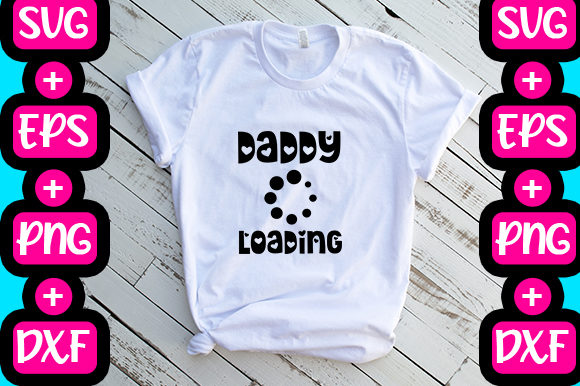
Some designs arrive with a built-in smile, and that is exactly what I felt when I first opened the Daddy Loading files. The concept leans on a playful, modern announcement vibe that reads like a progress bar for fatherhood, and it lands immediately. There is a charm here that feels neither overly sentimental nor too clinical. It sits right in that sweet spot where humor meets heart, and for embroidery designers, that combination is rare gold.
What struck me first was how the typography and layout work together. The letters have a clean, slightly bold presence that suggests they will translate well into thread without losing readability. Too many announcement-themed designs go overly decorative, curling every letter into something that turns into a thread blob the moment it hits fabric. This one keeps its feet on the ground, and that matters when you start mapping stitches.
From a visual personality standpoint, Daddy Loading feels contemporary but not trendy in a way that will feel dated by next season. It has enough personality to anchor a handmade product line without boxing you into a single narrow occasion. I could see this living comfortably on a garment today and still earning smiles two years from now.
A Baby Shower Tote That Started It All
Let me walk you through a real scenario that tested my thinking around this design. A client reached out about a custom baby shower gift, a canvas tote bag for the father-to-be. She wanted something that wasn't pink or blue, something the dad would actually carry without feeling self-conscious. Daddy Loading clicked immediately. The design scaled cleanly onto the tote's front panel, roughly seven inches wide, and the mockup looked so natural that I knew it would stitch out well.
What I appreciated during the prep phase was how the clean shapes in the graphic simplified my digitizing decisions. When you start with a well-structured vector, you spend less time fixing weird anchor points and more time dialing in stitch angles. That is something I always look for, and Daddy Loading delivered on that front.
The finished tote came out clean. The recipient's reaction confirmed what I suspected: designs like this create an emotional connection that goes beyond just looking nice. The dad laughed, his partner teared up, and the handmade product suddenly carried emotional weight that a generic design could not match. That is the kind of response that builds repeat customers and word-of-mouth referrals for small shop owners.
Where Daddy Loading Belongs in Your Product Line
After working with the design across several test projects, I have formed clear opinions about which products benefit most from it. The sweet spot is definitely custom apparel that celebrates new parenthood. Cotton onesies, soft crewneck sweatshirts, relaxed-fit t-shirts, and even lightweight hoodies all make strong candidates. The design's horizontal orientation and balanced letter spacing allow it to sit comfortably across the chest area without overwhelming the garment.
Beyond clothing, I found excellent results on tote bag panels and canvas pouches. The design holds up beautifully at larger scales, which makes it a standout for gift packaging that doubles as a keepsake. Consider a simple canvas zipper pouch with Daddy Loading stitched prominently. Fill it with small dad-themed items, and you have a boutique-ready product that photographs beautifully for Etsy listings.
Another application worth exploring is the embroidered patch route. Stitch it on felt or twill with a merrow border, and suddenly you have a sew-on or iron-on patch that customers can apply to jackets, backpacks, or caps. The design's compact nature works well at patch dimensions, roughly three to four inches wide, without losing legibility. For craft fair sellers, small embroidered patches at impulse-buy price points can become steady sellers, and Daddy Loading fits that model naturally.
In the nursery decor space, the design shines on pillow covers and small wall hangings. Paired with a simple hoop frame, it becomes a thoughtful handmade decoration that markets well as a baby shower centerpiece or hospital room gift.
Fabric Choices That Make or Break the Design
Not every fabric plays nice with text-heavy designs, and Daddy Loading requires some thought here. On stable, medium-weight cotton or canvas, the results were consistently crisp. The stitch definition held up, and the letters read clearly even at smaller sizes. On lightweight jersey or thin knit fabrics, however, I noticed slight distortion around the letter edges. A quality cut-away stabilizer fixed most of the issue, but anyone using thin fabric should test first and consider increasing the stabilizer weight.
Textured fabrics like waffle weave or heavy linen introduced a different challenge. The fill stitches wanted to sink into the texture, softening the crisp edges that define this design's appeal. In those cases, a water-soluble topper made a noticeable difference, trapping the stitches on the surface long enough to lock in the shape. The extra step is worth it for the finished look.
Dark fabrics demand attention to thread color contrast. The design relies on clean visibility for its humor to land. A charcoal shirt with navy thread, for example, would bury the punchline under poor contrast. Light thread on dark backgrounds reads beautifully, and I had particularly strong results with white thread on heather gray and soft black cotton. Test your chosen combination on scrap material before committing to the final product run.
Thinking Through Stitch Conversion
Because Daddy Loading arrives in vector and raster formats like SVG, EPS, DXF, and PNG rather than as a pre-digitized embroidery file, there is an extra step involved. That is not a drawback; it is simply a reality that experienced makers should understand before buying. The files are clean and well-structured, and they import into digitizing software without the jagged edges or weird artifacts that plague poorly built artwork.
In my tests, the SVG offered the smoothest conversion path. Anchor points were placed economically, curves stayed true, and letterforms maintained their intended proportions. For those who outsource their digitizing, providing the EPS file to a digitizer will yield fast, accurate results because the vector data translates directly into stitch paths without guesswork.
The PNG version works well for mockups and product photography. I used it to create printable mockup previews for a client, overlaying the design onto blank product shots to help her visualize the final outcome before I stitched anything. That saved time and set clear expectations, which is good business practice for any custom embroidery operation.
Thread Colors, Contrast, and Visual Punch
Color decisions make or break a design like Daddy Loading. Because the concept revolves around a loading bar metaphor, I found that a two-tone approach often delivered the strongest visual impact. A bold primary thread color for the filled lettering paired with a subtle accent for any secondary elements creates depth without overcomplicating the stitch plan.
Single-color renditions also work, especially when the design is kept clean and minimal. An all-white version on a navy sweatshirt reads crisp and modern. A metallic gold thread on cream canvas elevates the design into giftable keepsake territory. The versatility here is a real asset for makers who want to offer the same design across multiple product finishes without redesigning every listing.
One caution: if your thread choice is too close to the fabric color, the humor gets lost. The eye needs immediate recognition of the words, and that requires enough contrast to separate foreground from background at a glance. I recommend testing your color pairings in black-and-white photographs. If the design still reads clearly in grayscale, you have solid contrast.
Selling Finished Pieces: What to Consider
For Etsy seller and small shop owners, Daddy Loading has strong commercial appeal within the pregnancy announcement and new parent niche. The audience is specific and emotionally engaged, which typically translates to higher conversion rates and fewer returns. Products featuring this design photograph well, especially when styled with baby shoes, ultrasound photos, or simple neutral backgrounds that let the embroidery speak for itself.
Pricing considerations are straightforward. A sweatshirt with a clean Daddy Loading stitch-out commands a premium over blank apparel because the design carries meaning that generic text cannot replicate. Customers pay for emotional resonance, and designs that celebrate life milestones consistently outperform purely decorative alternatives. When I list similar announcement-themed embroidery in my own shop, I price them slightly above standard text designs, and the market supports that difference without pushback.
Giftability is another factor that strengthens the design's commercial value. Shoppers actively search for baby shower presents that feel personal without requiring customization lead time. An embroidered tote, onesie, or hat featuring Daddy Loading sits ready to ship and still feels thoughtfully chosen. That balance of ready-made convenience and emotional specificity is something every small business owner should lean into.
A Quick Note on Licensing
Before you list finished products, confirm the commercial use terms that accompany the purchased files. The product description references formats useful for paper crafts, vinyl, and t-shirts, but the exact license scope regarding physical embroidery products sold for profit needs verification. Most designers provide clear terms within the download package, and I strongly recommend reading them before producing inventory for resale. Assuming broad commercial rights without checking can create legal headaches down the road. Reach out to the original designer if the terms are unclear. The few minutes spent clarifying save enormous stress later.
Placement Logic for Real Garments
Where you place Daddy Loading on a garment changes how the finished piece feels. Left chest placement, roughly three to four inches wide, works beautifully for polo shirts and casual button-ups. It offers a subtle reveal rather than a loud statement. Center chest placement at five to seven inches wide transforms the design into a conversation starter, ideal for t-shirts and sweatshirts where the wearer wants the message front and center.
On caps, I advise caution. The design's horizontal nature and letter spacing can wrap awkwardly around the curved front panel of a structured hat. If you must place it on headwear, test a scaled-down version on a flat area like a trucker cap's front foam panel, and always run a stitch-out sample before committing to a bulk order. The time spent on one test sample saves the heartbreak of a dozen unsellable hats.
For baby embroidery on tiny onesies, hoop placement becomes critical. The design needs a flat, stable area to stitch cleanly, and the smallest onesie sizes offer limited real estate. Size the design to fit within a 4x4 hoop area, center it carefully, and use a firm stabilizer that prevents the soft cotton from shifting mid-stitch. Parents will wash these garments frequently, so durable thread and secure stitch anchoring matter just as much as the design's visual appeal.
Practical Wisdom Before You Stitch
Every experienced embroidery designer keeps a mental checklist before running a new design on a final product, and Daddy Loading benefits from the same disciplined approach. Test on scrap fabric first, using the exact fabric type and stabilizer combination you plan to use on the finished piece. Adjust stitch density if the design feels too heavy or too sparse. Check that small interior details within the letterforms remain distinct and do not close up under tension.
Review the design at actual size, not just on screen. Screens lie about scale all the time, and what looks perfectly legible at 200% zoom may become a muddled mess at real stitch dimensions. Print a paper template, cut it out, and place it physically on the garment to confirm placement and proportion before threading the needle.
Finally, test wash one completed item. Threads can shift, stabilizers can fail, and colors can bleed in ways that mockups never predict. A single wash test tells you more about long-term quality than any amount of screen-based planning. Your customers will wash these products. Make sure the embroidery handles it gracefully.
Daddy Loading earns its place in a maker's library because it understands what makes announcement embroidery work: clarity, emotional warmth, and versatility across a wide range of handmade products. When you match thoughtful digitizing with smart fabric choices and honest product testing, the design delivers results that feel polished and professional, the kind of finished product that turns first-time buyers into loyal customers who come back for every milestone moment.