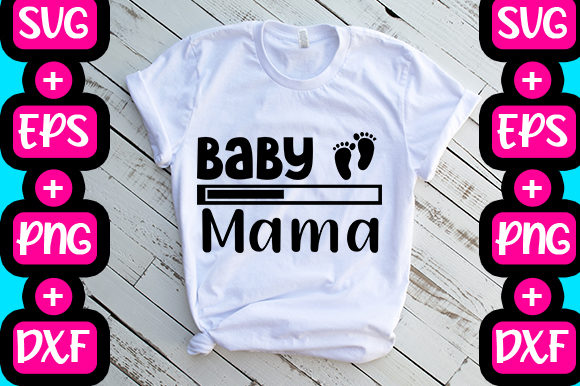
Baby Mama: A Designer’s Real-World Embroidery Review
As someone who’s stitched hundreds of custom pieces—from boutique baby onesies to Etsy shop sweatshirts—I opened Baby Mama expecting warmth, personality, and practicality. What I found was a design that lands somewhere between heartfelt and effortlessly stylish—not overly cutesy, not too minimal, but genuinely usable. It’s the kind of embroidery file you’d reach for when prepping a personalized tote for a baby shower, stitching a soft cotton apron for a new mom, or embroidering a linen tea towel as a holiday gift. It feels human, not algorithmic.
First Impression: Friendly, Flexible, and Fabric-Forward
Baby Mama reads as confident but tender—a balanced mix of rounded letterforms and gentle spacing. There’s no aggressive script or cramped kerning; instead, it breathes. That matters. In real embroidery, tight lettering collapses on stretchy knits or gets lost in fabric texture. This layout gives satin stitch room to shine and fill stitch time to settle. The weight is medium—not so bold it overwhelms a onesie, not so light it fades on a dark denim tote. Visually, it leans into warmth without leaning on clichés (no pacifiers, no cartoon animals). That makes it versatile across product types: nursery decor, small-batch apparel, even wedding weekend gifts for the mom-to-be.
Where Baby Mama Truly Shines
- Tote bags & canvas aprons: The clean shape holds up beautifully on medium-weight woven fabrics. No distortion, no thread piling—even at 3.5" wide, the curves stay smooth.
- Sweatshirts & lightweight hoodies: Works best with light stabilizer and moderate stitch density. The open spacing prevents stiffness, keeping the garment wearable—not “embroidered armor.”
- Baby items (swaddles, burp cloths, pillow covers): Soft enough for delicate use, recognizable enough to feel intentional. Parents appreciate clarity over cuteness—and Baby Mama delivers both.
- Holiday or milestone gifts: Paired with neutral thread (heather gray, oatmeal, navy), it reads timeless—not dated by trend. Great for Christmas, baby showers, or “just because” gifting.
- Etsy listings & small shop branding: As a digital embroidery file, it’s strong visual shorthand—immediately signals warmth and personal connection. Customers scroll fast; this one stops them.
Where to Pause—Not Panic
This isn’t a “throw-it-on-and-go” design for every surface. Here’s where thoughtful execution matters:
- Small hoop sizes (under 4"): It scales down cleanly—but avoid going below 2.75". Tiny curves lose definition, and thin strokes risk breakage on dense fills.
- Stretchy fabrics (jersey, rib knit): Requires cutaway stabilizer + basting. Without it, the letterforms can skew sideways during hooping—especially on curved hems or sleeve cuffs.
- Dark or textured fabrics (corduroy, terry cloth): Test thread contrast first. Light ecru or pale pink may disappear on charcoal; go for heathered tones or slightly saturated pastels instead.
- Caps & curved surfaces: Not ideal for front-panel cap embroidery unless resized and simplified. The natural flow works better on flat or gently contoured areas like pocket fronts or back yokes.
- Frequent-wash items (baby clothes, kitchen towels): Avoid ultra-thin satin outlines—they’ll fray faster. Reinforce with a light running stitch border if durability is top priority.
What It Does for Your Finished Product
Baby Mama doesn’t shout—it invites. That quiet confidence lifts the perceived value of handmade products. A customer seeing it on a linen pillow cover doesn’t think “cute font.” They think, “This was chosen with care.” That builds trust. For Etsy sellers, it adds polish without pretension. For craft fair vendors, it reads as intentional—not generic clip art. And for commercial embroidery shops? It’s reliable repeat work: clear stitch paths, low risk of thread breaks, and easy color swaps across client palettes.
It also supports brand consistency. Whether you’re selling embroidered patches, printable mockups, or full custom apparel, Baby Mama holds its own next to your original illustrations or hand-lettered logos. It doesn’t compete—it complements.
Designer Notes You’ll Actually Use
- Always test Baby Mama on scrap fabric *first*—especially if using textured or blended fibers.
- Check stitch density in the lowercase “a” and curved ends. Overly dense fills trap heat and cause puckering on lightweight cotton.
- Review hoop size compatibility before digitizing—some versions of this design may need minor adjustments for 4"x4" hoops.
- Inspect small details at 200% zoom: are inner corners sharp? Do letters lift cleanly off the baseline?
- Mock it up in black and white—not just color. Does it retain legibility on dark backgrounds? On light?
- Use tear-away stabilizer for stable wovens (totes, tea towels); switch to cutaway for knits (t-shirts, onesies).
- Confirm licensing terms before selling finished items or bundling Baby Mama into digital embroidery kits—it’s listed as a Graphics product, not a commercial-use embroidery file by default.
In short: Baby Mama earns its place in your working library—not as filler, but as a go-to for projects where authenticity matters more than flash. It’s the kind of T-Shirt Designs asset that quietly strengthens your portfolio, your shop, and your reputation as someone who chooses well.