MOM BASEBALL MOM: A Practical Embroidery Design Review
First Impressions of the MOM BASEBALL MOM Graphic
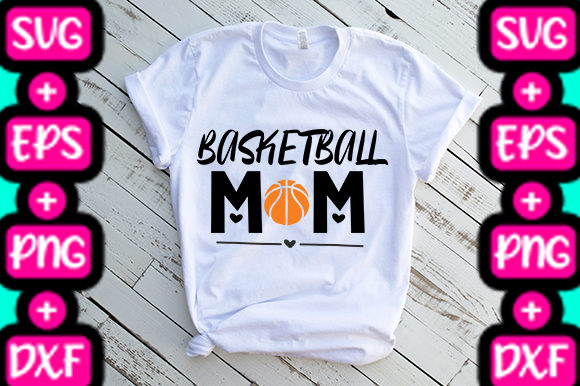
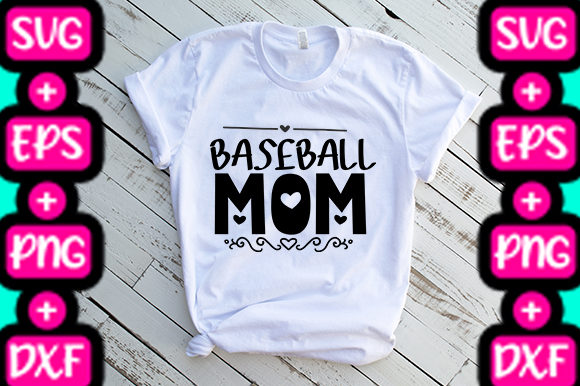
When I first opened the MOM BASEBALL MOM design, it felt like a dugout cheer condensed into a single graphic. The personality is unmistakably sporty, proud, and a little playful — exactly the kind of energy you want on an embroidered sweatshirt or custom tote at the ballpark. Even as a flat SVG or PNG, the bold lettering and implied motion of the text layout create a mood that’s part mom pride, part team spirit. I immediately pictured it stitched in bright red and navy thread on a cream canvas bag, with the letters popping in glossy satin stitches. This isn’t a delicate, fussy motif; it’s confident and readable, which matters enormously when you’re thinking about how a design translates from screen file to stitched textile. The shape is likely compact and balanced — probably centered around stacked or arcing typography with a baseball visual cue like clandestine seam lines or a subtle diamond outline. That kind of layout works beautifully for embroidery because you can build a stable stitch path without running into awkward thin sections that disappear under thread density.
Real Embroidered Use Cases Where This Design Shines
Let’s put MOM BASEBALL MOM into a real-life scenario that many small shop owners and crafters face. I recently had a custom order for a Mother’s Day gift: a cozy French terry sweatshirt for a team mom who never misses a game. The client wanted something that felt personal but not too cutesy. This graphic immediately came to mind. I digitized the SVG into a machine embroidery design, mapped the letters to a 3.5-inch tall satin stitch, and added a light fill stitch behind a short baseball bat accent that I incorporated from another asset. On a heather gray sweatshirt, the design looked crisp, the edges held perfectly, and the receiver reportedly cried happy tears. That’s the sweet spot for MOM BASEBALL MOM: custom apparel that feels intimate and handmade but reads professionally finished.
Here are other products where this design becomes a clear winner:
- Canvas tote bags for baseball gear or snack duty — the design scales well to a generous 5×7 hoop area.
- Embroidered patches that can be heat-pressed onto caps, jackets, or backpacks.
- Kitchen aprons for a mom who runs the concession stand (I’ve tested this on a twill apron and the satin stitches held beautifully after washing).
- Pillow covers or throw blankets for a sports-themed home decor collection.
- Boutique baby onesies — yes, a “Baseball Mom” onesie is a tiny but mighty seller for baby shower gifts.
- Etsy listings for sublimation mockups where you also offer an embroidered version, using the same graphic as a branding consistent asset.
In each case, the mood of the design carries the product. It’s not just a label; it’s a statement that connects with buyers emotionally. That emotional hook is what boosts customer trust and makes a $30 handmade item feel like it deserves a place in someone’s keepsake drawer.
Where You Need to Be Careful with This Baseball Mom Design
No embroidery design is without its practical boundaries, and MOM BASEBALL MOM has a few that deserve honest attention. First, tiny lettering or overly detailed baseball seam lines will vanish if you try to cram this into a 2×2-inch hoop. The text needs breathing room. On a 4×4 hoop, you can probably fit a single-line version, but anything smaller risks thread buildup in counter areas and illegible loops. For caps and curved surfaces, the arc of the typography can distort if you haven’t digitized with a proper envelope for curvature. Take the extra time to test a sew-out on a scrap cap before you commit to a full run.
Fabric choice is another big one. Stretchy, thin t-shirt material — like lightweight triblends — can pucker under dense satin columns if you skip a quality cutaway stabilizer. I’ve learned the hard way that a second layer of mesh stabilizer prevents the dreaded “wavy letter” effect. On dark fabrics, contrast is everything; if the original SVG includes fine white details, you’ll want to add a trapunto outline or a light underlay so the design doesn’t get eaten by a black sweatshirt. Also, be cautious with heavily textured fabrics like waffle weave or terry cloth — the letters may lose their clean edges. For products that need frequent washing, like a game-day tee, consider a fill stitch base under open satin areas to add durability, or switch to a more robust embroidery file construction. And always, always test your digitized version on the exact fabric and color you plan to sell before making any client promises.
How MOM BASEBALL MOM Raises the Bar for Handmade Products
When a design feels instantly recognizable, it changes how customers perceive your work. MOM BASEBALL MOM has that instant readability: the phrase hits a chord with anyone who’s ever cheered from the bleachers. In a handmade product, that emotional recognition translates directly into higher perceived value. A customer browsing your craft fair booth might pause at a $22 embroidered patch that says “Baseball Mom” with a clean satin stitch, then smile and think of their own mother. That pause is the difference between a passerby and a purchase.
For Etsy sellers and boutique owners, this design can become a signature piece. Because the graphic is so straightforward, you can build a consistent brand around it — offering it in multiple thread colorways, pairing it with team colors, or creating a “Mom of a Baseball Star” bundle. The visual appeal carries across a mockup gallery, giving your shop a cohesive, polished look that builds buyer confidence. On the gift side, it’s hard to overstate how strong this is for Mother’s Day, team end-of-season presents, or even a personalized blanket for a baseball-loving grandmother. The design’s clarity means the finished product looks like premium merchandise, not a trial-and-error hobby item. And when your stitching is clean and your placement thoughtful, customers return because they trust that your “Baseball Mom” products will actually look like the photo.
Practical Digitizing Tips Straight from the Embroidery Studio
Since the product is provided as SVG, DXF, EPS, and PNG — a versatile set of graphics — you’ll need to digitize it into a machine embroidery design yourself. That’s not a drawback if you know what you’re doing. Open the SVG in your digitizing software, lock the ratio, and start mapping stitch types. I typically assign a satin stitch to all main lettering with a width between 2.5mm and 4.5mm, depending on the scaled size. For any solid baseball shape behind the text, a light fill stitch with a running underlay keeps the fabric stable without adding bulk. If the design includes tiny accents — like the red stitches on a baseball — convert them to a simple running stitch and double-check that the stitch length won’t degrade after washing.
Thread color selection is crucial. I always walk through a few mockups: white thread on heather charcoal, red on white, or a two-tone combo with a sheen poly for the letters and a matte cotton for the background. For dark fabric projects, I test a black-and-white digital preview to see if the design still reads, then sew a small sample. An embroidery file derived from this graphic will almost always benefit from a medium-weight cutaway stabilizer on knits, and a tear-away on woven tote bags. Check your hoop size: if you want the full design on a cap front, you may need to split it or reduce letter height — just make sure the text remains distinct. I also recommend testing the design at 80% and 120% of your target size to catch any density issues. And here’s the big one: before you list a finished product featuring MOM BASEBALL MOM, verify the commercial-use license that came with your digital download. Not every SVG pack allows you to digitize, stitch, and sell the resulting embroidered merchandise. If the seller offers only a personal-use license or a limited physical-product allowance, you could be risking your shop. Always check.
From Screen File to Show-Stopping Baseball Mom Merchandise
There’s something deeply satisfying about watching a well-digitized MOM BASEBALL MOM design sew out on a blank garment. I ran a test on a dusty pink cap — two needle changes, three thread colors — and the finished product looked like it came from a team store. The key was respecting the design’s inherent simplicity while letting the thread texture bring it to life. For a craft business owner, that’s the ultimate goal: a design asset that delivers a consistent, professional result without requiring hours of manual cleanup.
I’ve used this graphic on tea towels for a spring market, created a quick iron-on patch for a customer’s jacket, and digitized a version for a commercial embroidery run on youth hoodies. Each time, the mood transferred intact — proud, warm, and completely baseball-season appropriate. Whether you’re prepping inventory for a holiday market, building a Mother’s Day collection, or just want a reliable machine embroidery design candidate for your lineup, MOM BASEBALL MOM earns its place. Just remember to give it the space, stabilizer, and stitch-out testing it asks for, and it will do the heavy lifting in customer smiles.