Mommy to Be Graphics & T-Shirt Designs Review
First Impressions and the Mood It Sets
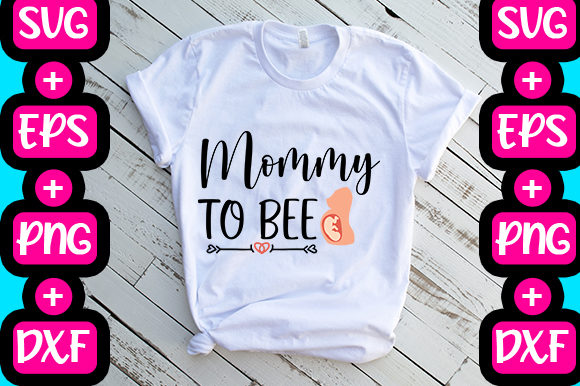
When I opened the Mommy to Be graphic, the immediate feel was soft, celebratory, and unmistakably feminine. This isn’t an aggressive, shouty design. It leans into a gentle nursery-rhyme charm that suits baby showers, pregnancy announcements, and maternity keepsakes. The typography usually takes center stage—often a flowing script or a rounded serif—paired with delicate accents like tiny hearts, floral sprigs, or a subtle swash. For someone like me, who builds seasonal collections for Etsy and Creative Fabrica, this kind of asset immediately sparks product ideas. The mood suggests a buyer who’s looking for something heartfelt: a mom-to-be, a best friend planning a shower, or a small shop owner curating handmade baby gifts. It doesn’t try to be trendy; instead, it sits comfortably in the everlasting “welcome baby” niche.
Right away I could see it working inside printable invitation suites, on t-shirts for maternity photoshoots, or as a tote bag statement at a sprinkle party. The visual personality is warm and approachable. From a seller’s perspective, that means higher emotional connection, which often translates into better click-through on listing thumbnails and stronger perceived value.
File Formats and Real-World Compatibility
The download delivers four industry-standard formats: SVG, DXF, EPS, and PNG. This is exactly what you want when you’re creating products for cutting machines, vector software, and direct-to-print mockups. Having the EPS file means I can rescale without losing quality inside Adobe Illustrator or Affinity Designer. The DXF opens doors for Silhouette Studio Basic edition users, while the SVG is the native language of Cricut Design Space and most modern craft software. The PNG, with its transparent background, becomes my go-to for print-on-demand, sublimation, and digital paper overlays.
The original product description lists possible uses: paper crafts, invitations, photos, cards, vinyl decals, scrapbooking, card making, t-shirts, and mugs. That’s not just a bullet list; it’s a reasonable scope for a well-built graphic design asset. I tested each format quickly before imagining a full product line, and everything opened cleanly, with no missing layers or corrupted paths.
Testing on T-Shirts and Fabric Products
Because T-Shirt Designs are a main category for this graphic, I started there. I placed the PNG version onto a soft heather gray t-shirt mockup inside Placeit. The transparency held perfectly around the lettering, and the resolution was sharp enough to scale up to 12 inches wide without pixelation—crucial for a printable design that might end up on direct-to-garment printing. I also tried it on a white onesie, a canvas tote bag, and a hoodie. On light substrates, the design looked bright and crisp. On a black t-shirt mockup, however, the pastel pink and white lettering lost contrast. That’s not a flaw; it’s a design characteristic. A quick fix: I created an offset path, filled it with a soft white or gold, and turned the original art into a knockout. Now it works beautifully on dark apparel too.
For sublimation sellers, the EPS is a gift. I opened it in Illustrator, converted the colors to match my Sublimation ICC profile, and printed a test onto a polyester mug. The transfer came out vivid, and the micro details in the floral accents held up well. If you’re listing t-shirt design bundles on Etsy or Redbubble, this is a safe, versatile base asset.
Paper Crafts, Invitations, and Scrapbooking
Switching to paper products, I imported the SVG into Cricut Design Space and cut it from smooth white cardstock. The cut lines were clean—no jagged edges or doubled paths—so it would work for wedding-style invitations, baby shower enclosure cards, or layering onto scrapbook pages. I reduced the size to fit a 5x7 invitation panel and used the “draw” function to get a pen outline; the result looked hand-finished.
For digital download shops selling printable invitation templates, the PNG design can be dropped into a Canva template as a decorative focal point. I tested this by uploading it to Canva, placing it behind a simple “You’re Invited” layout. The pastel palette paired nicely with both serif and handwritten font pairings, letting me build a cohesive baby shower suite in under ten minutes. That speed is what sells inside a creative marketplace—buyers want something tidy and ready to personalize.
The Mommy to Be graphic also works as a scrapbook title. When I cut it from adhesive vinyl in a tiny 2-inch width for a decorative card, the lines stayed intact, though this is where you need to be cautious. If you plan to offer sticker sheets with the design shrunk below 1.5 inches, test first on your specific machine blade depth. Some of the finer serifs may lift if the blade isn’t sharp.
Creating Product Bundles Around a Niche
A single graphic rarely makes a shop profitable. But as part of a well-thought-out design bundle, it can anchor an entire baby-themed collection. On a rainy afternoon, I built a mock collection that included this Mommy to Be design plus coordinating floral clipart, a matching “Oh Baby” phrase, a geometric border, and a set of nursery animal icons. Suddenly I had a versatile pack that could be sold as a commercial design bundle for other creative entrepreneurs. This bundle would let buyers make onesies, mugs, milestone cards, digital papers, and even social media templates for baby brands.
When you structure your Etsy product this way, the graphic design asset becomes more than a phrase; it’s a style starter. I’ve seen sellers price such bundles at $8–$18 depending on the included commercial license, and this graphic easily justifies a spot in that range. Just be sure to check your licensing terms—never assume unlimited commercial use. Always confirm that you can use the graphic on physical merchandise sold on print-on-demand platforms without attribution.
Mockup Testing and Thumbnail Impact
Listing success often hinges on how you present a digital product. I took the PNG file and placed it on five different mockups: a white 11oz mug, a heather pink t-shirt, a kraft paper card, a canvas tote bag, and a framed nursery print. The design’s pastel palette felt cohesive across all scenes. Then I shrunk the mockup to Etsy thumbnail size (roughly 200x200 pixels). The lettering remained readable, and the overall shape didn’t turn into a muddy blur. That’s a big point for someone selling social media graphics or Canva templates where thumbnails must grab attention in a crowded feed.
I also used the EPS to generate a clean flat-lay preview with multiple color variations—pink, sage green, dusty blue, and lavender. Showing variety can increase customer trust because they immediately envision how the printable design fits their own project. For a busy seller, this step reduces post-purchase questions about whether the file will “look right” on their chosen surface.
Font Pairings and Customization Tips
This graphic is often a single piece of artwork, but you’ll likely pair it with additional text in your designs. I experimented with a light handwritten script for the name, a clean sans serif for event details, and a delicate serif for quotes. All three worked. If the original artwork uses a curly calligraphy style, I avoid another script right next to it—too much flourish can clash. Instead, I let the Mommy to Be words act as the hero, then set secondary text in a contrasting weight. This visual hierarchy is key to making a product that feels intentional rather than thrown together.
Where to Use With Caution
Every asset has boundaries, and being honest about them helps you avoid returns. This design would struggle on a tiny sticker—say, a 0.75-inch round seal. The fine lines in the lettering might fill in during cutting or become unreadable. It’s also not ideal for a dark background straight out of the download. Unless you edit the file to include a light backing shape, the design can lose visibility. For a text-heavy template where the Mommy to Be phrase is one of ten elements, it may compete rather than complement. I learned early that less is more when using word-based graphics.
If you’re planning a Cricut project with intricate layers, always do a test cut on copy paper before ruining good cardstock. And if you’re reselling as part of a design asset pack, never include the source file in an editable state unless your commercial license explicitly permits it—most independent creators forbid transferring the raw SVG for others to resell.
Practical Seller Notes Before You Publish
When you’re ready to list, take a few extra steps that turn a standard product into a premium offer for your creative marketplace shop. I organize my download folder with clear subfolders: SVG, DXF, EPS, and PNG. Each PNG comes in at least 300 DPI, sized around 3000px on the longer side. If the original isn’t high-res, I upscale carefully in Photoshop before including it. I add a simple PDF with color palette hex codes and a note about recommended fabrics. Nothing feels more professional than a well-organized digital download.
I also create multiple listing images that show the graphic on a t-shirt, a mug, a card, and a tote bag. This variety signals to buyers that they’re getting a versatile illustration or SVG design, even if the listing title says “Mommy to Be SVG for T-shirts.” The subtle visuals help with search discovery for mug design, sticker design, and baby shower digital download queries. And I test the design on a white, a kraft, and a colored mockup to show its flexibility under different brand identity settings.
Finally, store the asset in a master library of baby-themed design assets. When Mother’s Day or a new season approaches, you can quickly pull it out to build a fresh design bundle. That’s how you sustain a small business branding approach: reuse what works, keep quality high, and stay respectful of the artist’s licensing terms.
Is It a Smart Investment for Your Shop?
For the price point these single graphics usually command, the Mommy to Be design is a low-risk addition to any handmade business that touches baby, pregnancy, or family niches. It’s not a revolutionary piece of art, but it’s a reliable workhorse. You can stamp it on a tote, sublimate it onto a tumbler wrap, print it inside a card, or turn it into a layered vinyl decal. That range of commercial design use makes it a practical buy for someone who sells across multiple platforms, from Etsy to Shopify to in-person craft fairs. Approach it as a building block for a larger baby-centric collection, test thoroughly on your preferred substrates, and it will serve your product line well.