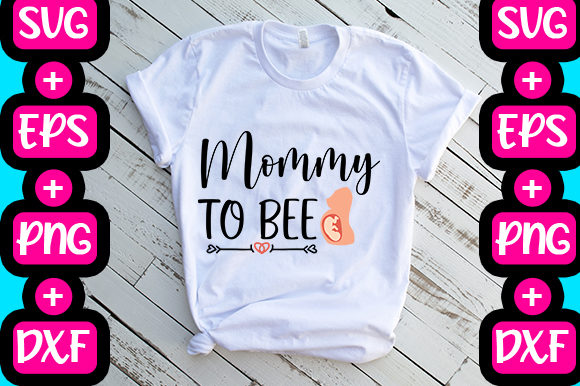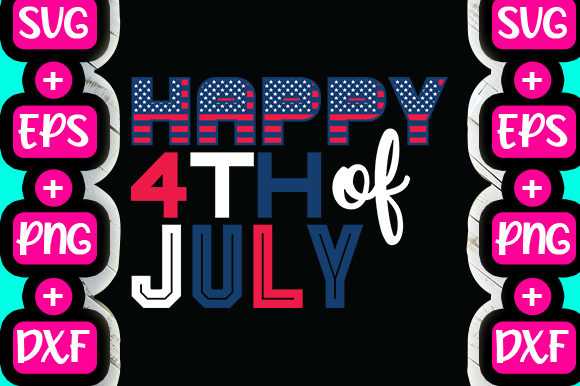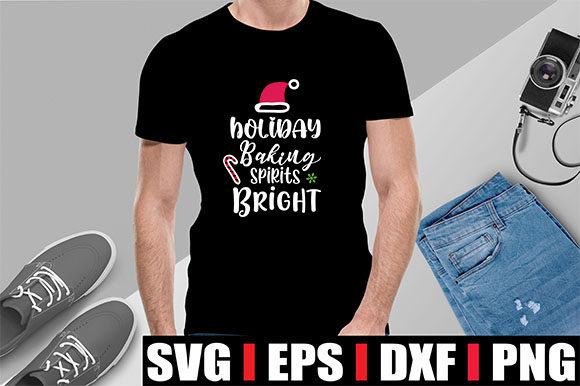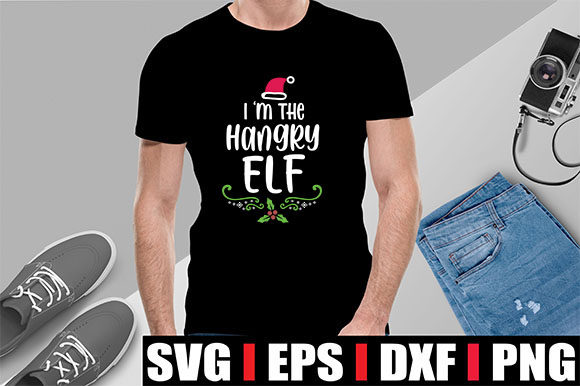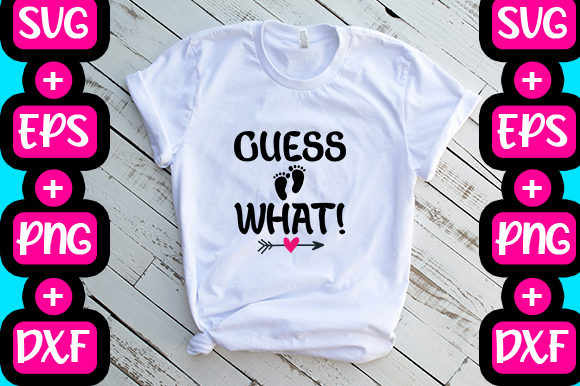
Guess What Graphics Review for T-Shirt Designs & More
When I first opened the Guess What file bundle, I immediately noticed it has a playful, conversation-starting quality. This is not a design that fades into the background. It carries a bold, slightly cheeky personality that could resonate with buyers looking for something lighthearted and expressive. As someone who regularly tests graphic design assets across multiple product categories before committing to a full collection launch, I wanted to see how this one holds up under real selling conditions.
The visual personality leans toward casual, modern, and a touch whimsical. It does not try to be elegant or minimalist, and that is actually a strength. For shop owners building a brand around relatable, everyday humor or family-friendly charm, Guess What could fill a specific niche. The typography, composition, and overall mood suggest it would attract an audience that enjoys conversational apparel, giftable merchandise, and designs that spark a reaction. I could easily picture this on a toddler shirt, a coffee mug, or a greeting card that starts with a knowing smile.
Visual Mood and Niche Potential
One thing I evaluate early is whether a printable design can carry a product by itself or if it needs heavy supporting elements. With Guess What, the design holds its own. The linework and lettering style give it a handmade, slightly imperfect feel that works well for the current market shift toward authentic, less polished visuals. It does not look mass-produced, which helps with perceived value on platforms like Etsy or Creative Fabrica where customers often seek something that feels personal.
The niche appeal sits somewhere between family humor, casual apparel, and playful stationery. I could see it fitting into a shop that sells t-shirt design bundles, printable card sets, or even small-run merchandise for local craft fairs. The mood is approachable rather than edgy, making it safer for broader audiences while still having enough personality to avoid feeling generic.
Testing Across Real Product Scenarios
Before I list any digital product for sale, I run it through a series of practical tests. For Guess What, I started with a standard unisex t-shirt mockup on a light background. The design read clearly at roughly ten inches wide, and the contrast held up well. On a darker heather gray shirt, the design still worked but required a slight adjustment in placement to avoid visual crowding near the collar. This is typical for bold text-based graphics, and nothing about it raised a red flag.
Next I tested it as a mug design. Wrapped around an eleven-ounce ceramic mug, the composition stayed readable and the curved surface did not distort the lettering in a problematic way. This tells me the SVG design and included PNG design files are cleanly constructed. For print-on-demand sellers who rely on consistent results across multiple product types, that reliability matters more than anything.
I also ran a quick test with printable card stock. Printed at approximately five by seven inches, the design maintained crisp edges and the details did not blur. This opens up possibilities for digital download shops selling invitation templates, party decor, or scrapbooking elements. The fact that the bundle includes SVG, DXF, EPS, and PNG formats means you can adapt it across cutting machines, vector software, and raster-based editors without starting from scratch each time.
File Format Breakdown and Practical Uses
The supplied formats cover most seller workflows. The SVG file is the one I checked first for Cricut and Silhouette compatibility. It imported cleanly into Design Space with intact cut lines and no stray nodes. For Cricut project enthusiasts making vinyl decals, iron-on transfers, or cardstock cutouts, this is essential. A poorly constructed SVG can waste hours of troubleshooting, and I did not encounter that issue here.
The DXF format gives additional flexibility for users running older software or specific cutting machine programs. The EPS file is useful for scaling without quality loss, particularly if you plan to create large-format prints or want to integrate the graphic design asset into a broader design bundle. High-resolution PNG files round out the package for quick placement in Canva, Photoshop, or any mockup template. I tested the PNG on a transparent background and confirmed clean edges with no white halo, which is a common quality issue in lower-tier assets.
For paper crafts, invitations, photos, cards, vinyl applications, decals, scrapbooking, card making, t-shirts, and mugs, the format selection here does cover the essential ground. A seller could confidently list finished products knowing the source files will not cause production headaches.
Where Guess What Delivers Strong Results
After testing, I identified several product categories where Guess What would perform consistently well. The first is t-shirt design, particularly for casual everyday wear and gift-oriented apparel. The design has enough presence to anchor a shirt without requiring supplementary graphics, although it also pairs nicely with simple illustrative elements if you want to build a more elaborate composition.
The second strong category is mug merchandise. The layout adapts well to curved surfaces, and the conversational tone fits the way people use mugs as personal statements. I could see this selling in themed sets or as part of a larger print-on-demand collection built around humor, family life, or seasonal gifting.
The third category is printable greeting cards and invitation designs. The playful tone suits birthday cards, surprise announcements, or casual event invitations. When placed into a card template with a coordinating interior message, the printable design can transform into a sellable finished product quickly. Canva template sellers could incorporate this into editable invitation suites or social media announcement graphics.
For scrapbooking and paper crafting, the clipart and illustration elements within the design can be isolated and used as decorative accents on layouts, journal pages, or handmade card fronts. The versatility across both digital and physical craft products expands the potential customer base considerably.
Understanding the Limitations
No commercial design works everywhere, and being honest about limitations protects sellers from returns and poor reviews. With Guess What, I would be cautious using it on very small items like tiny stickers or enamel pins. The design's impact relies on legibility, and shrinking it below roughly two inches could compromise readability. For sticker design sheets, I would recommend scaling it as the hero element rather than a small accent.
Complex or busy backgrounds also pose a challenge. If a customer places this on a heavily patterned tote bag or a dark, visually textured surface, the contrast may weaken. I always recommend sellers test product mockup previews on both clean and textured backgrounds before finalizing listings. A design that looks brilliant on a flat white mockup might struggle on a real product with environmental texture.
Thumbnail presentation deserves extra attention. The design's charm comes through best at a moderate to large scale. In a tiny Etsy search thumbnail crowded with competing elements, it could lose some of its personality. Sellers should consider simplified, high-contrast mockup previews that let the design breathe rather than stuffing multiple product variations into one small frame.
Enhancing Product Presentation and Perceived Value
How you present Guess What in your shop will heavily influence conversion rates. I tested thumbnail layouts with light backgrounds, subtle shadow effects, and lifestyle mockups showing the design on real products. The lifestyle approach, particularly with warm, natural lighting, elevated the perceived value noticeably. For Etsy product listings and creative marketplace storefronts, I would pair this design with complementary mockup scenes that reinforce the playful, personal mood.
Bundle strategy is another angle worth exploring. Guess What could anchor a small collection of conversation-themed graphics, creating a higher-priced design bundle with stronger visual hierarchy. Grouping it with related phrases or coordinating illustrations gives customers a reason to spend more while making your shop appear thoughtfully curated. For small business branding, consistency across a product line builds trust faster than scattered, unrelated listings.
Font Pairing and Layout Considerations
If you plan to customize or extend the design with additional text, font pairing matters. The main lettering has a bold, rounded character that pairs well with clean sans serif font choices for supplementary information. A light script font or handwritten font could add warmth for card interiors or invitation details. I would avoid pairing it with heavily decorative display fonts that compete for attention, as the design already carries enough visual weight on its own.
For social media graphics and promotional visuals, placing Guess What alongside a simple serif font subheading created an effective balance in my tests. The contrast between the playful main design and a more grounded secondary typeface helped the overall composition feel intentional rather than haphazard. This is the kind of detail that separates polished brand identity work from rushed product listings.
Commercial Licensing and Seller Readiness
Before publishing any product that incorporates a third-party design asset, I always verify the commercial license terms. The files included in Guess What are suitable for creating finished physical products and digital downloads intended for sale, but every seller should confirm the specific license provisions for their intended use case. Some licenses restrict reselling the raw files as-is, while others permit incorporation into derivative products. Clarifying this upfront prevents headaches later.
For handmade business owners and small business branding projects, this design offers enough flexibility to justify the investment. The ability to use it across apparel, stationery, home goods, and packaging design means you are not locked into one narrow product category. That cross-category potential is what I look for when building a sustainable product catalog rather than chasing one-off trends.
Final Seller Assessment
After running Guess What through multiple product scenarios, file checks, and presentation tests, I consider it a solid addition to a seller's design assets library. It is not trying to be everything at once, and that focused personality works in its favor. The file quality meets the standard I expect for commercial production, the format variety supports common creative workflows, and the visual appeal translates across enough product types to make it worth testing.
My recommendation for sellers is to start with a small batch of product listings: perhaps two apparel mockups, one mug variation, and a printable card option. Observe how customers respond, which variations get clicks, and whether the design attracts the audience you anticipated. From there, expand into complementary product categories or bundle it with coordinating designs. This measured approach reduces risk while giving Guess What the best chance to prove its market fit.
For Etsy sellers, print-on-demand creators, Cricut users, Canva template designers, and digital product developers who need a conversational, personality-driven graphic that can work across merchandise and printables alike, Guess What is worth a serious evaluation. It delivers on the practical requirements of file quality and format variety while bringing a distinctive voice that can help a product listing stand out in a crowded creative marketplace.