Reindeer Graphics for T-Shirt Designs & Blog Publishing
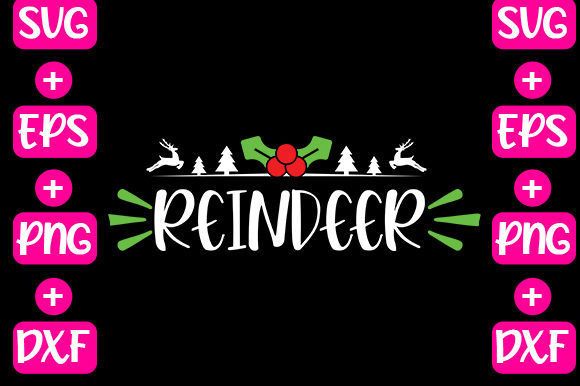
When I first opened the Reindeer graphic design asset, I immediately recognized its editorial potential. It strikes a warm, seasonal, and slightly playful mood without tipping into cartoon territory. That balance is harder to find than most content creators realize, and it is exactly what makes a design asset usable across real publishing workflows rather than sitting untouched in a downloads folder.
As someone who builds blog graphics, website headers, and editorial layouts week after week, I look for versatility first. The Reindeer file set lands in a sweet spot where it can support holiday content, nature-inspired articles, Scandinavian lifestyle pieces, children's activity pages, and even rustic brand storytelling. It does not scream for attention, but it holds its own when placed inside a polished visual system.
The set includes multiple formats: SVG, DXF, EPS, and PNG. That format spread matters. SVG and EPS files preserve scalability for print and large-format use. PNG files slide directly into digital environments without extra conversion steps. For a publisher who needs to move fast between Canva, Photoshop, Illustrator, and WordPress, this format selection eliminates friction. You are not stuck reformatting a single file type at midnight before a scheduled post goes live.
Editorial Mood and First Impression of the Reindeer Design
What I noticed right away is how the Reindeer graphic carries a hand-drawn warmth that feels intentional rather than generic. It leans artistic and decorative, which makes it especially useful for content niches that value warmth, nature, hygge aesthetics, slow living, family traditions, or holiday storytelling. The silhouette and linework suggest care, not clip-art speed.
From a reader perception standpoint, graphics like this create what I call a soft trust signal. A blog that uses cohesive, seasonally appropriate visuals tells readers that someone curates the experience. The Reindeer asset supports that perception. It feels less like a stock element and more like something an illustrator might have created for a specific editorial feature. That elevates the entire page, even if the reader never consciously registers the graphic.
When I previewed the design inside a sample blog layout, it paired beautifully with serif headlines, cream backgrounds, and natural color palettes. It also held up against bold sans-serif typography on darker winter-themed templates. That flexibility means it can travel across different content categories without forcing a complete rebrand.
Where Reindeer Graphics Shine in Real Publishing Workflows
Over the years, I have built content sites, affiliate blogs, newsletter-driven platforms, and digital product shops. In every single one, visual assets either earn their place or they waste space on a hard drive. The Reindeer design earns its place in several specific publishing scenarios.
Blog Featured Images and Article Thumbnails
For seasonal content, the featured image does heavy lifting. It shows up in search results, social shares, related post grids, and category pages. A weak thumbnail kills click-through potential before the headline gets a chance. The Reindeer graphic works as a strong accent element inside a featured image layout. Place it beside a clean headline, add subtle texture or a muted background, and the result looks editorial rather than templated.
I tested it at thumbnail size on mobile screens. The silhouette remains recognizable, which means it holds visual hierarchy even at reduced dimensions. That is a critical test many decorative graphics fail. If a design blurs into an unrecognizable shape at 150 pixels wide, it stops communicating. The Reindeer holds its form.
Pinterest Pins and Social Media Graphics
Pinterest remains a primary traffic driver for many lifestyle, craft, and seasonal content websites. Pins need vertical orientation, clear focal points, and enough visual breathing room for text overlays. The Reindeer graphic, when positioned as a supporting element rather than the dominant visual, creates a polished pin layout. I found it worked especially well when placed in the lower third of a vertical pin, with a strong headline above and a soft background filling the space.
For Instagram and Facebook graphics, the PNG format drops into Canva templates without a hitch. If you build social media graphics in batches, having a ready-to-use PNG that does not require SVG conversion saves real time. DXF and EPS formats also mean you can send the artwork to print partners for physical products like mugs or apparel without quality concerns.
Newsletter Headers and Digital Guide Covers
Email newsletters benefit enormously from consistent visual branding. A small accent graphic placed inside a newsletter header bar or beside a featured resource link can tie the entire communication together. The Reindeer design works as a subtle brand mark inside winter-themed newsletter templates. For content publishers who sell digital guides, worksheets, or eBooks, this graphic could anchor a cover design or decorate a chapter divider page.
Lead magnets and content upgrades often get designed last in a publishing sprint. Having a graphic that already fits the seasonal or nature-inspired aesthetic reduces decision fatigue. You can pull the Reindeer PNG into your Canva template, add a title, and publish a professional-looking downloadable resource in minutes.
How the Reindeer Asset Supports Content Performance
Visual communication directly impacts content metrics. A stronger first impression keeps visitors on the page longer. Clearer visual hierarchy guides readers through article sections. Consistent branding builds recognition across repeat visits. The Reindeer graphic contributes to all of these performance factors when used intentionally.
Click-through potential improves when thumbnails and social previews feel curated rather than auto-generated. Reader trust increases when every visual element on a page looks intentional. Category recognition becomes easier when recurring visual themes tie related articles together. The Reindeer design, placed inside a winter content series or a nature craft roundup, becomes part of that cohesive visual identity.
For affiliate marketers and content monetization, presentation matters directly. A product roundup with poorly designed graphics signals low effort. The same roundup with polished, seasonally relevant visuals communicates credibility. The Reindeer asset helps bridge that gap without requiring custom illustration work for every post.
Practical Publisher Notes Before Using the Reindeer Files
I always run through a checklist before publishing any graphic design asset on a live website or monetized content platform. Here are the key tests I ran with the Reindeer files and what I recommend for other publishers and content creators.
- Test on desktop and mobile screens. The graphic scales well, but always preview at actual published dimensions. What looks balanced on a large monitor may feel oversized on a phone screen when placed inside a blog post.
- Check thumbnail readability. Reduce the graphic to 150 by 150 pixels and confirm the silhouette still reads clearly. The Reindeer passes this test, which matters for category grids and related post widgets.
- Preview inside a real blog layout. Do not judge a graphic on a blank canvas. Place it inside your actual article template with a headline, body text, and sidebar. The Reindeer design integrates smoothly without overpowering surrounding content.
- Test with headline text overlaid. If you plan to add text on top, check contrast and legibility. The graphic works best when text sits beside it or above it rather than directly over complex linework areas.
- Try it in black and white. Some readers print articles or view content on e-ink devices. The linework holds up in grayscale, which preserves usability across different reading contexts.
- Pair with multiple font styles. I tested the graphic beside serif fonts, sans-serif fonts, script fonts, handwritten fonts, and display fonts. It complements all of them reasonably well, but feels most at home with serif and handwritten pairings that echo its organic quality.
- Review file size for web performance. The PNG file should be compressed appropriately before uploading to a website. Large image files slow page speed, which hurts SEO and user experience. Use tools like TinyPNG or Squoosh to optimize without visible quality loss.
- Confirm commercial licensing. Before using the Reindeer design on monetized websites, affiliate pages, paid content products, or physical merchandise like t-shirts and mugs, verify that your license covers commercial use. The product description suggests applications across paper crafts, cards, vinyl, decals, scrapbooking, t-shirts, and mugs, which indicates broad usability, but always check the specific terms.
Design Formats and Their Publishing Applications
Understanding the strengths of each file format helps publishers use the Reindeer asset more effectively across different platforms and media types.
SVG files serve web and digital design needs exceptionally well. They scale infinitely without quality loss, which makes them perfect for responsive website headers, Canva templates, and any design that might need resizing across multiple outputs. EPS files fulfill a similar role for print workflows. If you send artwork to a print shop for physical products, signage, or promotional materials, the EPS format ensures professional output.
DXF files extend the asset into cutting machine workflows. For content creators who publish craft tutorials, DIY project guides, or small business branding resources, this format supports vinyl cutting, decal production, and other physical crafting applications. PNG files offer immediate digital usability. Drop them into blog posts, social media graphics, digital guides, and email templates without conversion steps.
This format variety means the Reindeer graphic can follow a content creator from digital publishing to physical product creation without format bottlenecks. A blogger writing about holiday crafts could use the SVG in a Canva tutorial graphic, the PNG in the blog post, and the DXF in a downloadable cut file resource, all from the same purchased asset.
Where to Use the Reindeer Design Carefully
No graphic works everywhere, and honest assessment prevents publishing mistakes. The Reindeer design, while versatile, carries a distinctly seasonal and decorative personality. That creates specific situations where it should be used with caution.
Small mobile thumbnails with heavy text overlays can obscure the graphic's detail. If your blog relies on text-dominant featured images for mobile-first audiences, test carefully before committing. Low-contrast backgrounds in very light pastels may wash out the linework. Busy layouts with multiple competing visual elements can diminish the graphic's impact. Serious professional niches like corporate finance, legal content, or medical publishing may find the decorative quality mismatched with audience expectations.
Websites built on extremely minimal visual systems with no decorative elements might struggle to incorporate a seasonal graphic without breaking brand consistency. The solution is often to use the graphic in dedicated seasonal sections, special holiday content hubs, or temporary campaign visuals rather than forcing it into every page.
Building a Cohesive Visual Identity with Seasonal Assets
One of the smartest moves a content publisher can make is building a library of seasonal design assets that share a compatible aesthetic. The Reindeer graphic fits into a broader winter and nature-inspired collection. When you use it alongside complementary graphics year after year, readers begin to recognize the visual language.
For small business owners and creative entrepreneurs, that recognition builds brand equity. A customer who sees a familiar illustrative style on a website, then on a Pinterest pin, then on a product tag, experiences a cohesive brand identity. The Reindeer design becomes one piece of a larger visual strategy rather than a one-off decoration.
Digital product creators can use the graphic inside printable designs, Canva templates, and lead magnets. The same reindeer silhouette that appears in a free downloadable winter activity sheet can show up in a paid eBook cover or a workshop presentation slide. That repetition, when done tastefully, strengthens the creative brand without feeling repetitive.
Final Publishing Perspective on the Reindeer Asset
After testing the Reindeer graphic across multiple publishing scenarios, I would classify it as a strong seasonal workhorse for content creators who value editorial polish. It does not try to do everything, and that focused personality is precisely what makes it useful. A design that knows what it is communicates more clearly than a design that tries to appeal to everyone.
For bloggers preparing winter content, publishers curating holiday resource roundups, affiliate marketers building gift guide visuals, and small business owners refreshing seasonal branding, this asset delivers reliable quality. The format selection supports both digital publishing and physical product creation. The visual style bridges artistic warmth and professional clarity.
Every graphic design asset you bring into a content publishing system either strengthens or dilutes your visual identity. The Reindeer graphic, used thoughtfully and placed inside a well-structured layout, does the former. It earns its spot in the seasonal content toolkit, and it supports the kind of polished, clickable, trustworthy presentation that keeps readers coming back.
If you publish seasonal content, run a creative marketplace shop, or design digital products for a nature-loving audience, this is a graphic worth adding to your collection. Test it inside your actual templates, pair it with your brand fonts and colors, and let it do the quiet work of making your content look more intentional and professionally designed.