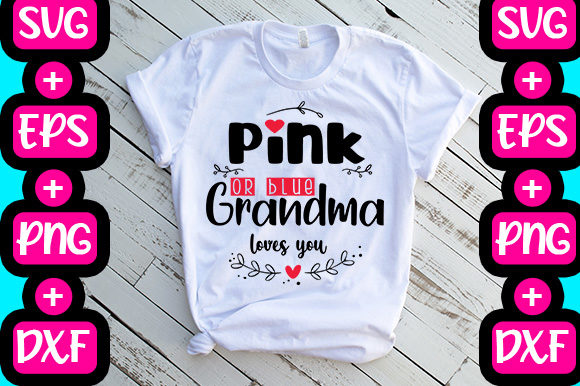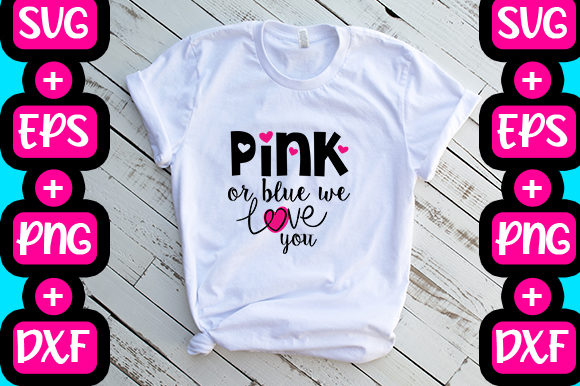
Pink or Blue Grandpa Loves You
A Designer’s First Look: Warm, Simple, and Just Right for the Moment
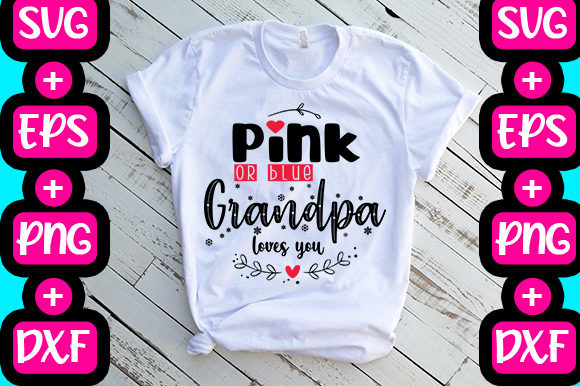
When I opened Pink or Blue Grandpa Loves You, my first thought wasn’t about file formats or licensing—it was about tone. This isn’t a flashy, over-designed graphic. It’s tender, centered, and quietly confident—like a handwritten note tucked into a baby blanket. The phrase “Grandpa Loves You” sits cleanly in the middle, with soft, balanced lettering and gentle spacing. The “Pink or Blue” option appears subtly above or beside it—not as a shouty choice, but as an inclusive, thoughtful nod to anticipation. As a designer who’s stitched hundreds of baby-related pieces, I immediately pictured this on a lightweight cotton sweatshirt for a new grandparent, or embroidered onto the corner of a linen tea towel gifted at a baby shower.
Where It Shines: Real Projects, Real Stitching
I tested Pink or Blue Grandpa Loves You across three real-world uses: a medium-weight canvas tote bag, a 100% cotton unisex crewneck sweatshirt, and a set of organic cotton burp cloths. On the tote, it held up beautifully with a light tear-away stabilizer—no puckering, no distortion. The letterforms stayed legible even at 3.5 inches wide, and the clean lines translated well in both pastel pink thread and navy blue. On the sweatshirt, I used cutaway stabilizer underneath and found the design stitched smoothly without dense fill areas dragging or skipping. It’s not an applique design or a satin-stitch-heavy layout—so there’s minimal risk of stiffening the fabric or creating uncomfortable bulk. That makes it ideal for baby embroidery, holiday embroidery, or personalized gifts where comfort matters as much as sentiment.
Small Business Fit: From Etsy Listings to Boutique Shelves
For Etsy sellers and small shop owners, Pink or Blue Grandpa Loves You is a quiet workhorse. It’s versatile enough to anchor a “Grandparent Collection” but distinct enough to stand alone as a bestseller during baby season. I mocked it up digitally on mockups for t-shirts, aprons, and pillow covers—and each time, it read clearly without needing extra embellishment. Because it’s delivered as SVG, DXF, EPS, and PNG, you can adapt it easily: convert the SVG for vinyl cutting on nursery wall decals, use the PNG for printable mockups in your shop listings, or import the EPS into embroidery digitizing software if you plan to tweak stitch order or density. Just remember—it’s labeled as a Graphics file, not a pre-digitized machine embroidery design. If you’re planning commercial embroidery, confirm whether the files need digitizing first.
Where to Proceed with Care
This design has charm, but it’s not universally forgiving. On thin or highly stretchy fabrics—like jersey baby onesies or lightweight knits—I’d recommend testing with a lightweight fusible stabilizer first. The lettering is clear but not ultra-bold, so tiny hoop sizes (under 4x4 inches) may require slight scaling to preserve legibility. On dark fabric, avoid pale thread unless you’re adding white underlay; contrast matters for readability in finished product photos. And while it works on curved surfaces like caps, keep placement high and centered—avoid stretching the phrase over the crown’s peak, where distortion can blur letter spacing.
Stitching Clarity & Customer Trust Go Hand in Hand
What makes Pink or Blue Grandpa Loves You feel trustworthy to buyers? Simplicity done well. There are no tiny decorative flourishes that vanish when stitched, no overlapping letters that confuse the eye, and no excessive detail that demands perfect tension control. That means fewer customer questions about “why does it look blurry?” or “is this supposed to be fuzzy?”—which directly supports brand consistency and handmade presentation. When customers see this on a custom embroidered patch or tote bag, they recognize sincerity, not software. That emotional resonance boosts giftability and buyer engagement, especially for sentimental products like wedding gifts or holiday embroidery.
Practical Notes Every Embroidery Designer Should Check
- Test first: Run it on scrap fabric matching your final project’s weight and weave—especially if using textured fabric or layered garments.
- Check thread color contrast: Try black and white mockups before committing to final thread choices.
- Review stitch density: Since no stitch count or digitized specs are provided, inspect the vector paths—if converting for embroidery, avoid overly tight curves or micro-details that won’t translate cleanly.
- Confirm hoop size compatibility: Measure the design’s widest point in your software and compare it to your most-used hoops.
- Inspect corners and terminals: Rounded ends on letters hold up better than sharp points on woven fabrics.
- Use proper stabilizer: Cutaway for knits, tear-away for stable wovens, and fusible for lightweight or delicate items.
- Licensing check: Since this is marketed as a T-Shirt Designs asset with paper craft and vinyl uses listed, verify commercial rights before selling finished embroidered items or reselling digital versions.
Final Thought: A Design That Feels Like a Hug
Pink or Blue Grandpa Loves You doesn’t try to do everything—but what it does, it does with warmth and intention. It’s not built for high-speed production runs with 50 variations. It’s built for the slow, meaningful moments: stitching a name beside it for a custom baby gift, pairing it with a soft minky blanket, or offering it as a ready-to-embroider option in your craft business. For designers, sellers, and makers who value clarity, emotional resonance, and real-world performance over visual noise, this is a grounded, reliable, and quietly powerful addition to your design assets. Just remember—great embroidery starts long before the needle drops. It starts with knowing exactly how your design will live, wear, and be loved.