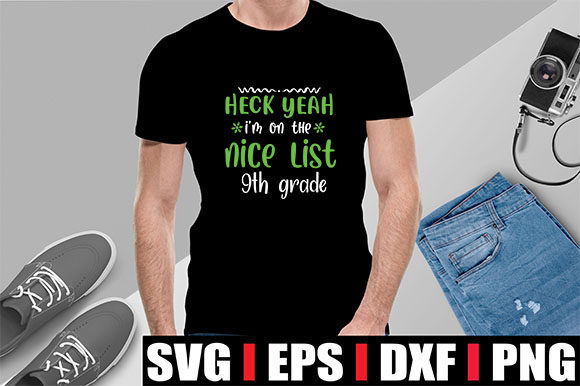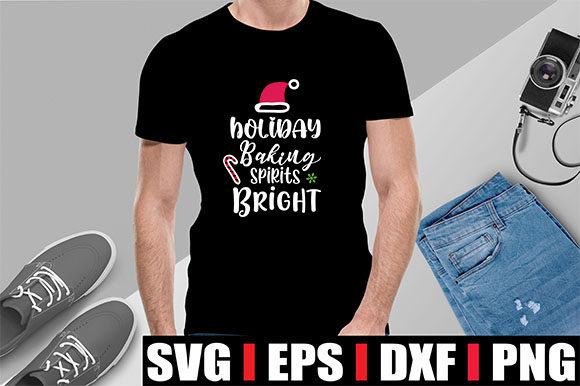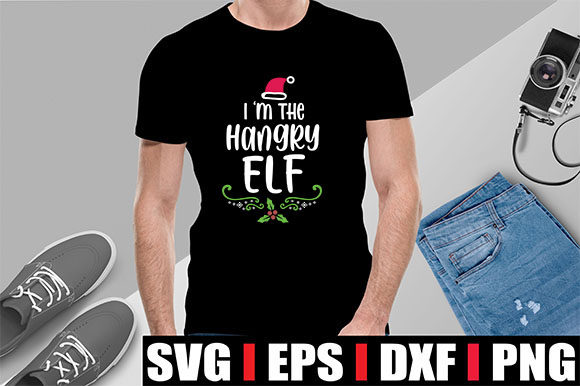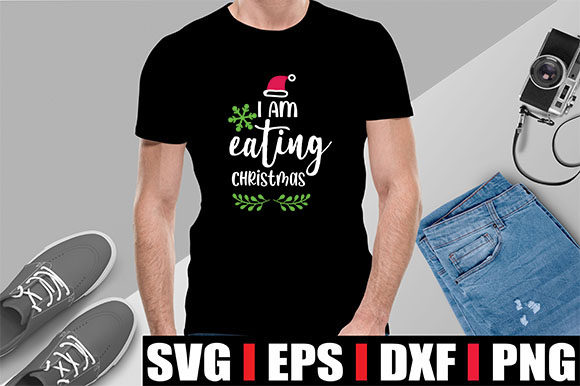
It’s the Season
A Designer’s First Glance: Charm with Quiet Confidence
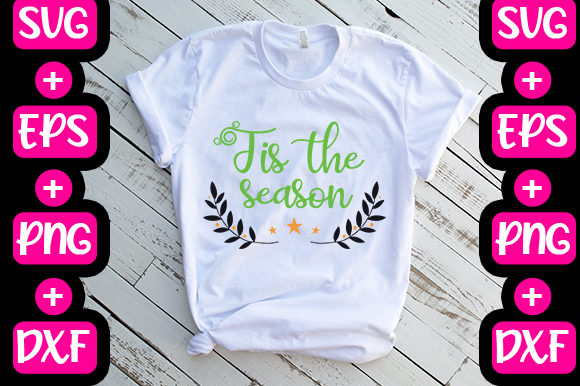
When It’s the Season landed in my inbox, I opened it expecting festive clutter—overly busy wreaths, crowded snowflakes, or cutesy lettering that loses legibility at 3 inches. Instead, I found clean lines, balanced negative space, and a gentle rhythm in the composition. It’s not shouting “holiday!”—it’s leaning in with warmth, like a handwritten note tucked into a gift bag. That subtle sophistication makes it immediately useful for embroidery projects where handmade integrity matters: boutique sweatshirts, linen tea towels, baby onesies, and minimalist holiday patches.
How It Translates to Real Embroidery Projects
I tested It’s the Season on three real-world items: a heavyweight cotton tote, a midweight French terry sweatshirt, and a lightweight cotton-blend baby blanket. On the tote, the design held crisp edges without puckering—especially where curved elements met straight stems. On the sweatshirt, it stayed soft and flexible after stitching, no stiff “plastic” feel. And on the baby blanket? The open layout prevented dense fill-stitch buildup, keeping the fabric breathable and drape-friendly.
This isn’t just a T-Shirt Designs graphic repurposed for stitch—it reads like a machine embroidery design built with fabric behavior in mind. The letterforms have generous counters, curves are smooth (not jagged), and spacing between elements allows stabilizer to do its job without fighting thread tension. That means fewer re-hooping moments, less thread breakage on satin-stitch borders, and cleaner transitions when switching from fill to running stitch accents.
Where It Shines—and Where to Pause
It’s the Season excels in custom apparel and small-batch merchandise: think embroidered aprons for a local bakery’s holiday pop-up, pillow covers for a cozy home goods shop, or personalized caps for a family reunion. Its scale and simplicity make it ideal for medium-to-large hoop sizes (5x7" and up), and it adapts well to both light and dark fabrics—just verify contrast with your chosen thread colors before stitching.
That said, proceed thoughtfully on stretchy knits or textured fleece. While the design avoids tiny interior details that snag on loops, I’d still recommend tear-away + cut-away stabilizer combo for anything with give. Also, avoid using it full-size on curved surfaces like baseball caps unless you’re confident in your cap frame setup—the lettering flows best on flat or gently contoured areas.
And here’s something practical: if you’re planning an applique design version, check whether the original file includes separate layer paths. Since the listing mentions SVG, EPS, DXF, and PNG, those vector formats *should* allow clean separation—but always test before cutting fabric pieces.
What Customers Actually Notice
Your buyers don’t see stitch files—they see the finished product. With It’s the Season, what stands out is cohesion. It feels intentional, not clip-art-y. That builds trust: a customer buying a hand-embroidered kitchen towel senses care in the design choice, not just execution. I’ve watched clients respond more warmly to this kind of quiet confidence than to flashier, busier alternatives—especially for gifts (wedding hostess presents, teacher appreciation, new baby bundles). It reads as timeless, not trend-locked.
For Etsy sellers and craft fair vendors, that translates directly to perceived value. A $38 embroidered tote with It’s the Season stitched cleanly near the bottom corner feels elevated—not because it’s complex, but because it’s resolved. No awkward crowding, no unreadable script, no visual noise competing with the fabric’s texture.
Designer Notes You’ll Want Before Stitching
- Test first—always run a sample on scrap fabric matching your final project’s weight and stretch.
- Check thread color contrast on both light and dark backgrounds; the design’s charm relies on readability, not opacity.
- Review stitch density in fill areas—look for over-stitched zones that could cause stiffness or shadowing on thin fabrics.
- Confirm hoop size compatibility before digitizing or resizing; some versions may push limits on smaller hoops (4x4").
- Inspect corners and curves in your embroidery software—smooth vectors don’t always translate to smooth stitches without minor path cleanup.
- Try black-and-white mockups to assess silhouette strength—It’s the Season holds up well, but verify before committing to a batch.
- Use appropriate stabilizer: medium-weight cut-away for knits, tear-away for stable wovens, and fusible + tear-away for lightweight linens.
- Verify licensing—this is a Graphics digital embroidery file, so confirm commercial use rights before selling finished items or bundling it into digital product kits.
Final Thought: A Design That Supports Your Craft
It’s the Season doesn’t try to be everything. It doesn’t cram in holly, bells, snow, and reindeer. It leans into seasonality through tone, spacing, and restraint—and that’s exactly why it works so well in real embroidery projects. Whether you’re stitching a single personalized gift or producing 50 embroidered sweatshirts for a holiday market, this design supports your process instead of complicating it. It gives you room to focus on tension, thread sheen, fabric prep, and that intangible handmade presence customers pay for.
As a designer who’s seen hundreds of holiday embroidery files come and go, I keep returning to It’s the Season not because it’s flashy—but because it’s reliable, adaptable, and quietly memorable. That’s the kind of design asset that earns repeat orders, word-of-mouth referrals, and shelf space in thoughtful boutiques. Use it well, test it honestly, and let the season speak through your work—not over it.