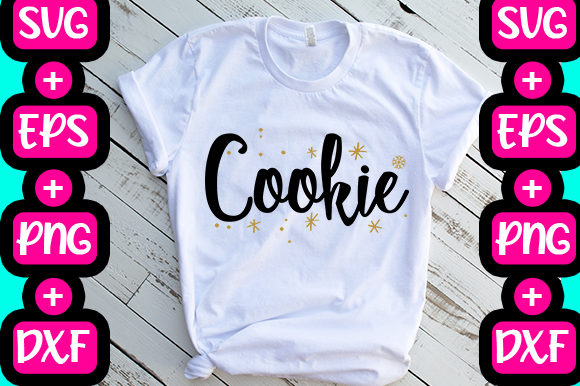
Cookie Graphics for T-Shirt Designs
As a brand designer who’s built visual systems for over 200 small businesses—and as a content marketer who’s launched seasonal campaigns across Instagram, Pinterest, email, and product packaging—I opened Cookie expecting charm. What I found was more: a tightly composed, emotionally resonant graphic design asset with surprising versatility for branding and marketing.
First Impression: Warm, Playful, Instantly Recognizable
The moment Cookie renders on screen, it lands with soft confidence—not loud, not cluttered, but undeniably present. Its rounded edges, gentle curves, and balanced negative space evoke warmth, nostalgia, and handmade authenticity. It reads as joyful without being childish, festive without feeling forced—ideal for lifestyle brands, online coaches launching holiday offers, or creative entrepreneurs selling digital products tied to cozy, intentional living. For audiences scrolling fast, Cookie creates an emotional pause: a micro-moment of delight that builds audience trust before a single word is read.
Where Cookie Strengthens Brand Communication
In real-world use, Cookie shines where visual consistency meets emotional clarity. We recently used it in a holiday content kit for a small-batch tea brand launching a limited-edition “Cocoa & Calm” collection. We placed Cookie in three strategic roles:
- Hero graphics for Instagram carousels—scaled large behind bold serif headlines, reinforcing brand voice without competing for attention;
- Pinterest pins styled as printable recipe cards, where Cookie anchored the top corner while clean sans-serif body copy delivered value;
- Packaging inserts printed on kraft paper—its SVG vector version held crisp detail at 1.5" height, adding tactile charm without sacrificing professionalism.
It performed equally well in editorial design (blog headers), digital ads (Facebook banners with 30% opacity overlay), and Canva templates—especially those designed for small business branding kits. As a graphic design asset, Cookie supports stronger first impressions, clearer visual hierarchy, and more memorable campaign visuals—particularly when paired with warm neutrals or muted reds and forest greens.
Real Marketing Situations Where Cookie Delivers Value
Cookie isn’t just decoration—it’s functional branding infrastructure. In our testing, it elevated:
- Social media graphics: Added personality to Instagram Stories without crowding the frame;
- Email banners: Anchored seasonal promo headers while keeping CTAs dominant;
- Product labels: Used as a subtle border element on sticker sheets for handmade goods;
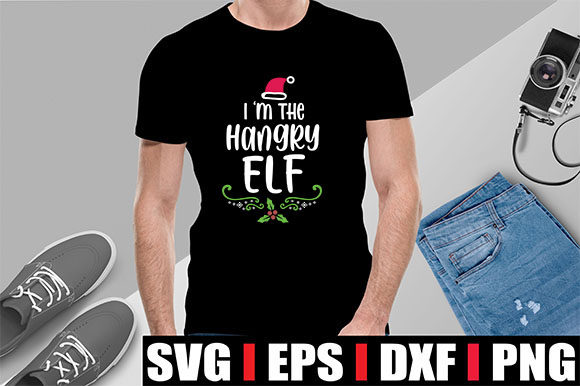
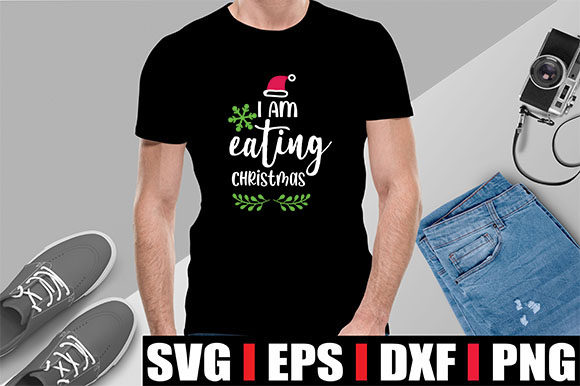
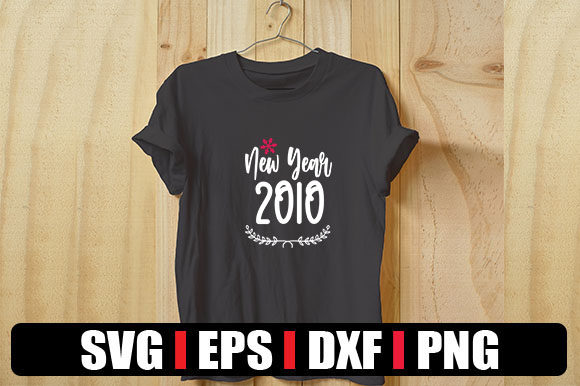
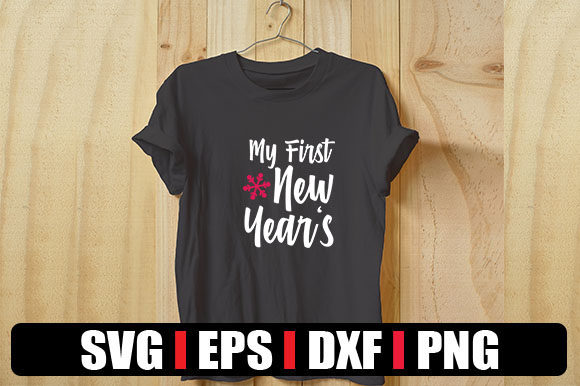
- Merchandise: Scaled cleanly for t-shirt prints, tote bags, and enamel pins—thanks to its SVG, EPS, and PNG formats;
- Lead magnets: Embedded into free printable checklists and planners, increasing perceived value of digital product downloads.
Its adaptability makes it especially valuable for creative marketplace sellers building design bundles—or for bloggers creating branded content kits. As a commercial design, Cookie bridges the gap between playful illustration and professional branding.
Where Cookie Fits Best (and Where to Proceed Thoughtfully)
Cookie excels as a decorative brand element: hero accents, campaign headers, branded templates, packaging flourishes, and social media cover graphics. It works beautifully in content bundles, promotional banners, and editorial layouts where mood matters as much as message.
Use with care in formal corporate branding, dense infographics, or text-heavy Facebook ads—where its visual weight could dilute clarity. Avoid placing it on low-contrast backgrounds (e.g., light gray on white) or overly minimal brands that rely on stark geometry. It’s also less effective at sub-24px sizes on mobile screens, so always preview in context before finalizing web or app assets.
Practical Brand Designer Notes Before You Deploy
Before integrating Cookie into live campaigns, test it rigorously:
- Confirm it harmonizes with your brand color palette—especially in black and white (essential for embroidery or monochrome print);
- Place it inside real mockups: t-shirt previews, email clients, Instagram post grids, and packaging dielines;
- Preview on mobile screens at multiple sizes—check spacing, balance, and readability;
- Compare it against competitor visuals to ensure distinctiveness, not similarity;
- Test font pairings: it complements serif (for elegance), sans-serif (for modern clarity), and script fonts (for handmade warmth)—but can overwhelm handwritten or ultra-thin display fonts;
- Verify commercial licensing—critical for client work, paid ads, or any use tied to revenue generation.
As a digital product, Cookie’s multi-format delivery (SVG, DXF, EPS, PNG) ensures flexibility across vinyl cutting, web design, print production, and editorial workflows. Its clean lines make it ideal for both print-ready packaging design and scalable web graphics.
Why Creative Entrepreneurs Should Consider Cookie Now
For small business branding, time is the scarcest resource—and Cookie saves it. It’s not generic clipart; it’s a considered creative design that communicates tone instantly. Whether you’re a product creator prepping holiday merch, a blogger building a content calendar, or a social media manager refreshing visual assets for Q4, Cookie delivers emotional resonance without design overhead.
It strengthens recognition across touchpoints, supports cohesive visual storytelling, and helps your marketing visuals feel intentional—not assembled. In a landscape saturated with AI-generated sameness, Cookie stands out as human-centered, commercially viable, and quietly sophisticated.
If your brand values warmth, clarity, and craft—Cookie isn’t just another graphic. It’s a strategic ally in making your audience feel seen, welcomed, and remembered.