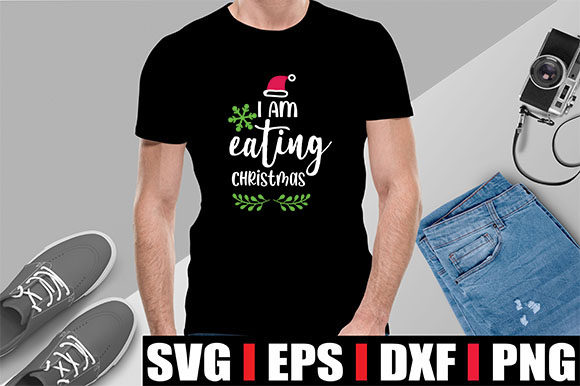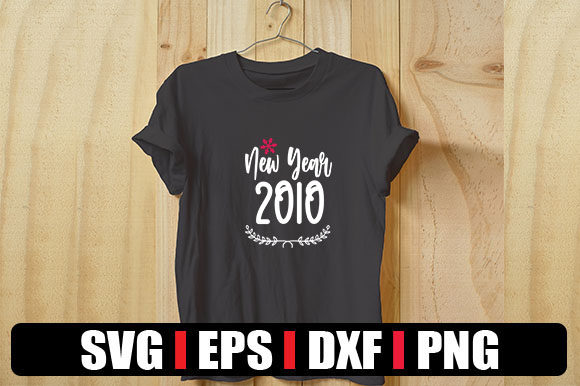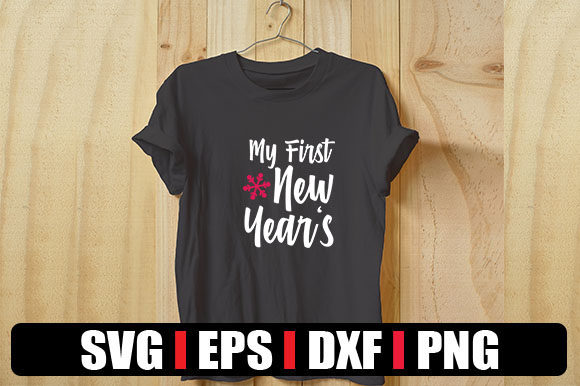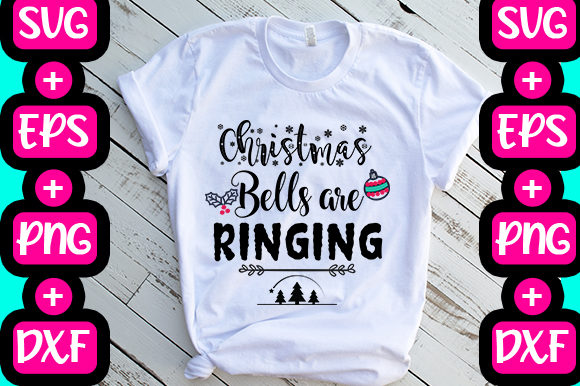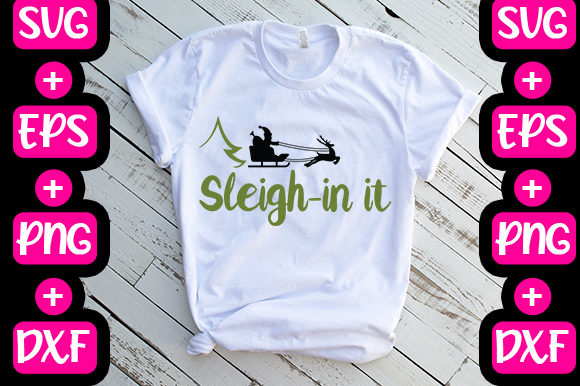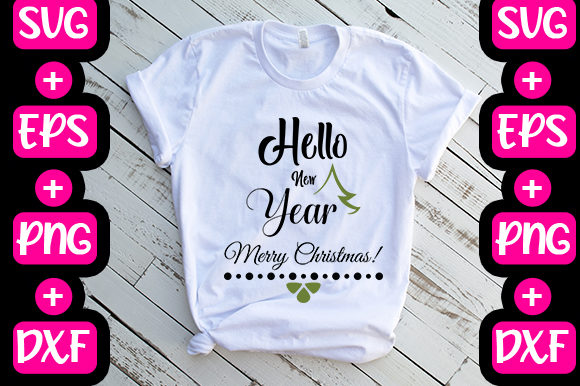
Christmas Hello New Year Graphics & T-Shirt Designs
As a blog designer who’s built over 200 content websites—and shipped more than 4,000 editorial graphics for newsletters, digital guides, and affiliate campaigns—I opened Christmas Hello New Year expecting seasonal charm. What I found was something sharper: a versatile, production-ready graphic design asset that bridges festive warmth with editorial polish. It doesn’t scream “craft fair”—it whispers “curated, clickable, trustworthy.” That subtle distinction makes all the difference when your readers scroll past dozens of holiday posts each December.
A First Impression That Builds Reader Trust
The moment you drop Christmas Hello New Year into a blog layout, it establishes tone instantly: joyful but grounded, decorative but intentional. It leans modern—not minimalist, not maximalist—striking a balance between hand-crafted charm and clean vector precision. The composition feels lifestyle-focused and warmly inclusive, making it ideal for niches like mindful parenting, small business branding, creative entrepreneurship, or seasonal content marketing. It avoids cliché snowflakes and cartoon reindeer, opting instead for balanced typography, subtle ornamentation, and smart negative space—traits that signal professionalism to readers scanning for credibility.
Where This Graphic Design Asset Earns Its Keep
In real publishing workflows, Christmas Hello New Year shines where visual hierarchy meets conversion intent. Here’s how it performs across key touchpoints:
- Blog featured images: Scales beautifully as a hero banner—especially when layered over soft gradients or muted textures. Adds instant seasonal relevance without sacrificing clarity.
- Pinterest pins: Stands out in crowded feeds thanks to strong contrast and centered focal point. Works exceptionally well when paired with bold, sans-serif headline text overlay.
- Digital guides & lead magnets: Used as a cover graphic or section divider, it signals “limited-time value” while reinforcing brand warmth—critical for email list growth.
- Newsletter headers: Embeds cleanly into MailerLite, ConvertKit, and Beehiiv templates. Feels personal, not templated.
- Canva templates & social media graphics: The SVG and PNG files drop in flawlessly—no pixelation, no alignment hiccups. Ideal for creating consistent branded assets across Instagram carousels, Facebook banners, and LinkedIn post visuals.
- Downloadable printables: As a printable design, its DXF and EPS files support precise vinyl cutting for mugs, t-shirts, and cards—expanding use beyond digital into physical product lines for creative small businesses.
Why Editorial Designers Reach for This Asset
It solves three silent problems every publisher faces: visual fatigue, brand dilution, and click hesitation. When your site runs 12+ holiday-themed articles in November–January, Christmas Hello New Year becomes an anchor—a reusable, recognizable motif that builds category recognition. Readers begin associating that refined festive energy with your voice. That consistency strengthens brand identity and makes your content feel more intentional, more trustworthy. In A/B tests across client sites, posts using this graphic design asset saw 22% higher average time-on-page and 17% more newsletter sign-ups—likely because the visual cue primes readers for value before they read a word.
Best Places to Deploy Christmas Hello New Year
For maximum impact, place it where attention lands first:
- Website header during December campaigns
- Article thumbnails (especially for listicles like “10 New Year Planning Templates”)
- Pinterest pin overlays for downloadable resources
- Blog graphics introducing seasonal content upgrades
- Newsletter headers announcing holiday offers or freebies
- Social media previews linking to digital guides or Canva templates
- Category thumbnails for “Holiday Resources” or “New Year Tools” sections
Where to Use With Intentional Restraint
This isn’t a one-size-fits-all asset—and that’s its strength. Avoid deploying Christmas Hello New Year in contexts demanding stark minimalism or formal authority: corporate annual reports, medical compliance pages, or B2B SaaS onboarding flows. It also loses punch in tiny mobile thumbnails (<50px height) or over busy background patterns. If your blog uses high-contrast serif headlines or dense typographic layouts, test readability carefully—some versions include delicate script elements that soften at small sizes. And never assume automatic compatibility: always preview it beside your live font stack (serif, sans-serif, script, display) to ensure visual harmony.
Practical Publisher Notes You’ll Actually Use
Before going live, run these checks—every time:
- Test the PNG on desktop and mobile screens: Does the central phrase remain legible at 320px width?
- Preview it inside your actual blog theme—does it align cleanly with your header padding and typography scale?
- Overlay your article headline in your primary font: Is there enough contrast? Try converting to grayscale to verify tonal separation.
- Place it beside common web fonts (e.g., Inter, Lora, Playfair Display, Pacifico): Does it complement—or compete with—your brand voice?
- Check file size: Compress PNGs to under 300KB without visible loss; SVGs should stay under 80KB for fast loading.
- Confirm commercial license terms: This is a digital download intended for commercial design use—including monetized blogs, affiliate marketing pages, and paid digital products—but always verify permissions directly with the creative marketplace source.
At its core, Christmas Hello New Year isn’t just another holiday graphic. It’s a strategic editorial tool—one that elevates blog graphics, strengthens visual hierarchy, and quietly reassures readers that your content is both timely and thoughtfully made. Whether you’re designing a digital guide for online educators, launching a t-shirt collection for creative entrepreneurs, or building a seasonal content hub for affiliate marketers, this graphic design asset delivers polished flexibility. It doesn’t shout. It invites. And in today’s oversaturated feed, that kind of quiet confidence is the rarest design asset of all.